MAY 2026 LUNCHEON MEETING
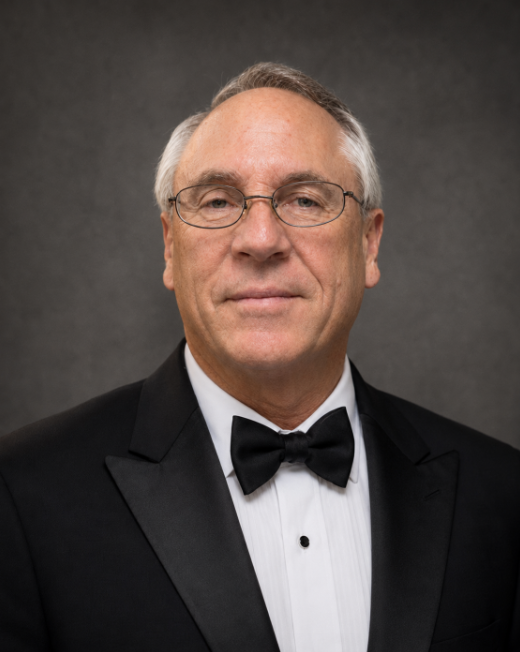
Dr. Carlos A. Uroza
presents:
Conventional and Next-generation Geothermal Systems on the Texas Gulf Coast
11:30 AM Wednesday, May 20, 2026
at Willow Brook Country Club
3205 W Erwin St.
Tyler, TX 75702
Cost: $25 if you RSVP
$30 at the door if you do NOT reserve
Abstract
Decades of published studies have highlighted the Frio, Vicksburg, Wilcox Group in onshore Texas as potential geothermal targets with extensive play fairways. However, there are no geothermal power plants operating in those areas targeting these formations. Recent investigations by the Bureau of Economic Geology’s HotRock team underscore the necessity of focusing on deep, hot, dry rocks (HDR) to enable sustained geothermal power generation through Enhanced Geothermal Systems (EGS). EGS involves fracturing hot, low-permeability rocks, injecting cold water into the formation, allowing the water to heat up, and producing the hot fluid back to the surface for extraction of heat to either generate either power or direct use. There is a growing interest in developing EGS in hot sedimentary basins (Bhattacharya et al., 2026).
We integrate core, well logs, and seismic data to generate structure, thickness, temperature, and porosity maps of Frio and Wilcox Group. Multi‑criteria screening of these maps reveals that only a limited number of locations on the Texas Gulf Coast are suitable for deploying conventional geothermal systems capable of megawatt‑scale electricity generation. The limited suitability of conventional geothermal can be attributed to multiple factors, including low formation temperatures (less than 150 °C), variable permeability and brine flow rate, leading to poor heat recovery. In contrast, there is a large play fairway for developing EGS in these hot sedimentary rocks at scale. These results suggest that while conventional geothermal systems are unlikely to be broadly commercially viable in these formations for power generation at megawatt-scale based on today’s proven technologies and economic constraints, EGS approaches, or other advanced technologies may provide a more scalable pathway for developing the region’s geothermal resources. Texas can lead commercial next-generation geothermal development due to the existing oil/gas infrastructure, subsurface knowledge, workforce, and supply chain.
Reference:
Bhattacharya S, Mawa K, Delshad M, Eichhubl P, Wisian K, 2026, Can Next-Generation Enhanced Geothermal Systems Succeed in Deep Sedimentary Basins? Proceedings Stanford 51st Geothermal Workshop. URL: https://pangea.stanford.edu/ERE/pdf/IGAstandard/SGW/2026/Bhattacharya.pdf
Biography
Dr. Carlos A. Uroza is a senior geologist with more than 20 years of industry experience in oil & gas. He worked with Haliburton Consulting Middle East, Equinor/Statoil Offshore Mexico & GOM USA, ConocoPhillips Nigeria & GOM USA, and Pdvsa Exploration & Production, Eastern Venezuela. He has a MSc in Geology from Queensland University of Technology (Brisbane, Australia) and a PhD in Geology from The University of Texas at Austin. Carlos is a Sedimentologist & Stratigrapher by background, and from February 2022 he has been working at the Gulf Coast Carbon Center (Bureau of Economic Geology, Univ. of Texas Austin), focusing on the evaluation of geological sites for CO2 sequestration and more recently on the evaluation of geothermal resources in the Gulf Coast area, USA.